Is malpractice insurance the same as liability insurance
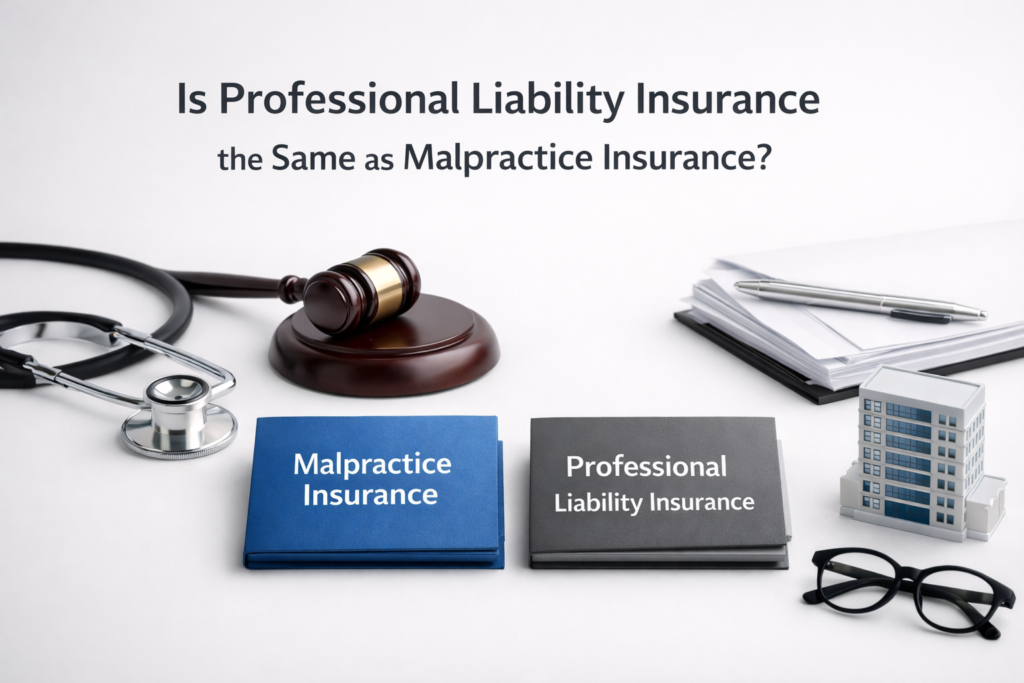
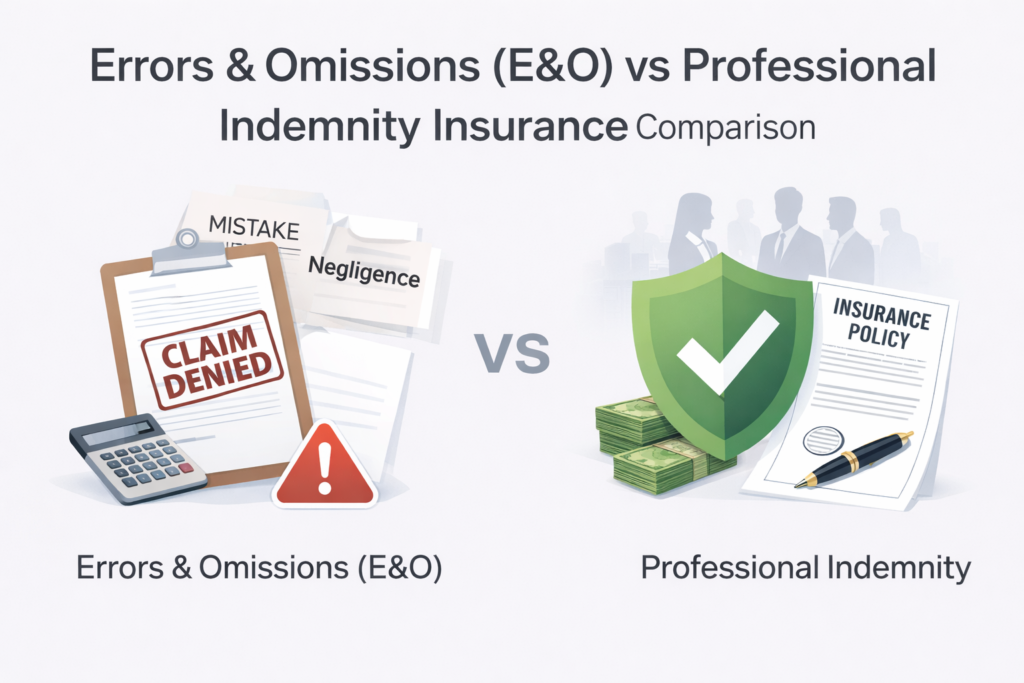
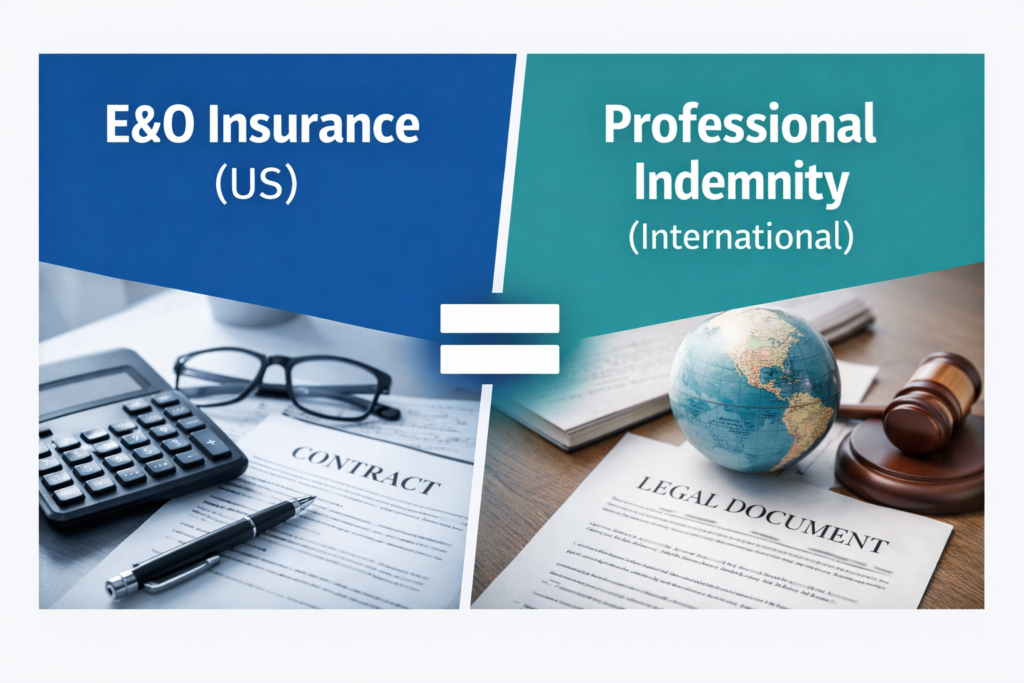
Home Is Malpractice Insurance the Same as Liability Insurance? Malpractice insurance vs liability insurance, learn the key differences, who needs each type, and how consultants and professionals can choose the right coverage. March 23, 2026 By Insuremia Editorial Team Est. Read Time: 9 min On This Page Many professionals from independent consultants to healthcare providers use the terms “malpractice insurance” and “liability insurance” interchangeably. This confusion is understandable: both policies protect against claims of wrongdoing, and both fall under the broad umbrella of professional risk management. But treating them as synonyms can leave critical gaps in your coverage. The distinction between malpractice insurance vs liability insurance is more than semantic. Each policy addresses different risks, applies to different professions, and responds to claims in fundamentally different ways. Understanding where these coverages overlap and where they diverge is essential for any professional or business owner making informed decisions about their insurance program. This article clarifies the relationship between these two coverage types. For a deeper comparison of professional liability policy structures, see our guide on Errors and Omissions Insurance vs Malpractice Insurance. Consultants should also review our pillar resource on General and Professional Liability for Consultants for comprehensive coverage guidance. What Is Liability Insurance? “Liability insurance” is a broad category, not a single policy type. In insurance terminology, any policy that protects a business or individual against claims brought by third parties for damages they allegedly caused qualifies as liability insurance. This umbrella includes: General Liability Insurance (GL): Covers bodily injury, property damage, and personal and advertising injury arising from business operations, premises, or products. Commercial Auto Liability: Covers third-party claims involving business vehicles. Product Liability: Protects manufacturers and sellers against injury or property damage caused by defective products. Professional Liability Insurance: Covers claims arising from the performance of or failure to perform professional services. When most non-insurance professionals say “liability insurance,” they typically mean general liability the foundational coverage that protects against physical or property-related incidents. However, general liability does not cover claims arising from professional advice, errors, or omissions. That gap is where professional liability and malpractice coverage come in. What Is Malpractice Insurance? Malpractice insurance is a specialized form of professional liability insurance designed for professions where errors in judgment or service can cause significant harm to clients or patients. The term “malpractice” has its roots in licensed, regulated professions most commonly medicine, law, and accounting where a duty of care is codified in professional standards and statutory requirements. What Malpractice Coverage Typically Includes Claims of negligence, errors, or omissions in the delivery of professional services Failure to diagnose, misdiagnosis, or failure to obtain informed consent (in medical contexts) Breach of duty to a client resulting in financial or physical harm Legal defense costs, settlements, and judgments Coverage for disciplinary proceedings in some policy forms Malpractice policies are almost universally written on a claims-made basis, meaning coverage applies when the claim is filed not when the alleged incident occurred. This structure makes tail coverage (extended reporting period endorsements) a critical consideration for professionals who change insurers or retire. Malpractice Insurance vs Liability Insurance: Key Differences The table below summarizes the primary distinctions between general liability insurance and malpractice or professional liability insurance: Feature General Liability Insurance Malpractice Primary Focus Bodily injury, property damage, personal injury Professional errors, negligence, omissions Typical Policyholders Contractors, retailers, service businesses Doctors, lawyers, consultants, accountants Coverage Trigger Occurrence-based (incident date) Claims-made (when claim is filed) Key Risks Covered Slip-and-fall, property damage, advertising injury Misdiagnosis, bad advice, missed deadlines Required By Law? Often required for contractors and businesses Mandated in many licensed professions Typical Limit Range $1M–$2M per occurrence $1M–$5M per claim (varies by profession) Coverage Triggers One of the most consequential differences involves how each policy is triggered. General liability is typically occurrence-based: if an incident happens during the policy period, coverage applies regardless of when the claim is filed. Malpractice and professional liability policies are almost always claims-made, creating potential coverage gaps if tail coverage is not maintained after a policy lapses. Nature of the Alleged Harm General liability responds to tangible, physical harm someone slips and falls, property is damaged, a product injures a consumer. Malpractice and professional liability respond to intangible harm stemming from advice, judgment, or professional service a misdiagnosis, a bad investment recommendation, a drafting error in a contract. General liability policies typically contain explicit exclusions for professional services precisely because professional liability policies are designed to fill that role. Who Needs Malpractice Insurance? While any business can benefit from general liability insurance, malpractice or professional liability coverage is particularly critical for: Healthcare Professionals Physicians, surgeons, nurses, dentists, chiropractors, and mental health practitioners all face exposure to medical malpractice claims. In most states, hospitals and healthcare systems require proof of malpractice coverage as a condition of granting clinical privileges. Premium rates vary significantly by specialty, with high-risk specialties such as neurosurgery and obstetrics commanding substantially higher premiums. Legal Professionals Attorneys are required by most state bar associations to carry professional liability insurance — commonly called legal malpractice insurance. Claims typically involve allegations of missed deadlines, conflicts of interest, negligent advice, or failure to follow client instructions. Financial and Accounting Professionals Certified public accountants (CPAs), financial advisors, and tax preparers face exposure to claims of negligent financial advice, audit failures, or errors in tax preparation. Regulatory bodies such as the AICPA and many state CPA licensing boards mandate professional liability coverage. Consultants and Other Professionals Management consultants, IT consultants, engineers, architects, and other service professionals may not always face statutory insurance mandates, but they face substantial contractual and legal exposure. Many clients particularly in corporate and government procurement require professional liability coverage as a condition of engagement. For guidance specific to this group, our General and Professional Liability for Consultants resource provides a framework for evaluating coverage requirements based on service type, client profile, and contract terms. Is Malpractice Insurance a Type of Professional Liability Insurance? Yes, and this is the answer that resolves most of the
Is malpractice insurance the same as liability insurance Read More »